Unveiling the Mystery of BCDMH
What is BCDMH? and what makes it a standout choice for modern disinfection?
Join us as we explore the key features of BCDMH and examine why this advanced disinfectant is gaining increasing recognition across various applications.
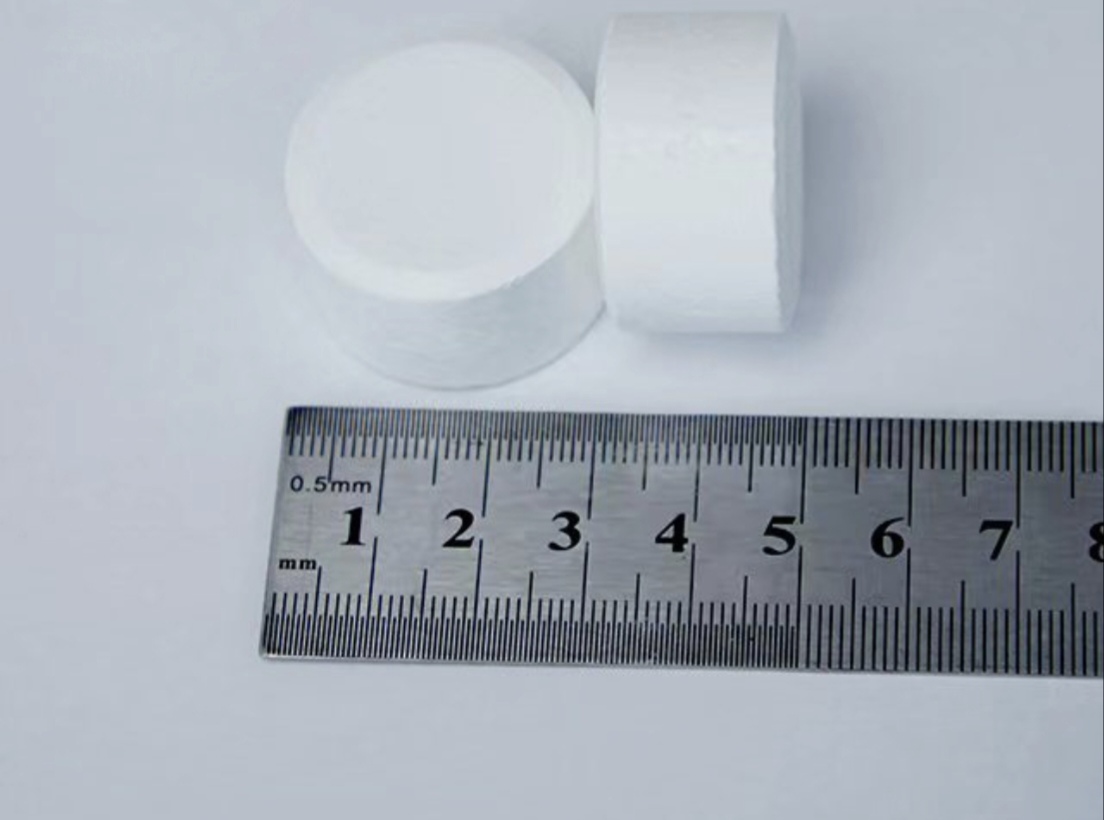
I. Basic Properties of BCDMH
1. Descriptions of BCDMH:
Product Name: Bromochlorodimethylhydantoin(BCDMH)
Other Name:1-Bromo-3-chloro-5,5-dimethylhydantoin/BCDMH
Appearance:Tablets:20G/Tablet, 80G/Tablet
granule: irregular granule from 8mesh to 30mesh
powder:White crystalline powder
CAS No.: 16079-88-2
EINECS:240-230-0
HS Code: 2933210000
Molecular Formula:C₅H₆BrClN₂O₂
MOQ:1*20'FCL
2. Specifications of BCDMH:
Item | Technical requirements |
Assay% | ≥98.0 |
Available Bromine% | 62.0~70.0 |
Available Chlorine% | 26.0~34.0 |
Weight loss after drying% | ≤0.50 |
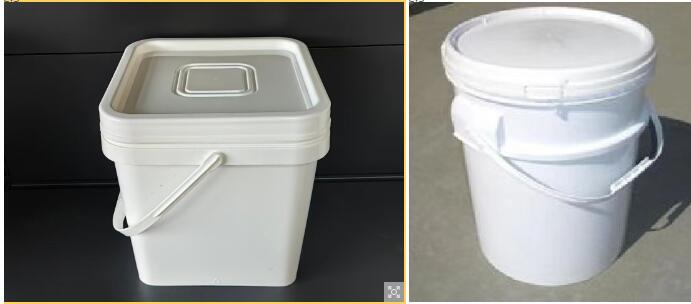
3. Package of BCDMH: 25kg drum,5kg drum or Customized package
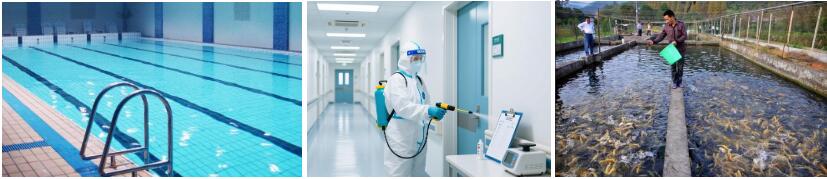
By releasing active bromine and active chlorine, bromochlorodimethylhydantoin (BCDMH) destroys the cellular structure and enzyme system of microorganisms, achieving bactericidal, algaecidal, and disinfection effects. Its application scenarios cover multiple industries:
· Water Treatment: Bactericidal and algaecidal treatment for industrial circulating water, swimming pool water, and landscape fountains; disinfection of hospital sewage; emergency treatment of drinking water; bactericidal and anti-corrosion for oilfield water injection.
· Aquaculture: Disinfection of water in high-density aquaculture ponds (at a concentration of 0.1-0.3ppm) to prevent bacterial gill rot, enteritis, and other diseases; soaking disinfection of aquaculture tools (cages, aerators) with a 1% solution; bacteriostasis in seedling transportation water at a low dosage of 0.05ppm, with low irritation to seedlings.
· Hygienic Disinfection: Disinfection of food processing workshops, hotel and household sanitation facilities; bactericidal preservation in fresh-keeping warehouses and controlled atmosphere warehouses; disinfection for port inspection and quarantine as well as epidemic prevention in affected areas.
· Other Scenarios: Disinfection of medical devices; disinfection of livestock and poultry breeding environments (in line with the demand of the veterinary disinfectant market).
The global development of animal husbandry and the enhanced awareness of animal epidemic prevention and control have promoted the expansion of the veterinary disinfectant market (expected to reach 18 billion US dollars globally by 2025). As a core raw material of chloride-based disinfectants, the demand for BCDMH continues to grow steadily.
The global BCDMH market stood at around $150 million in 2019 and is forecast to hit $250 million by 2025, representing a 14% CAGR. As the world’s top producer and consumer, China makes up more than 60% of the global market.
Rising demand in emerging markets including Southeast Asia and Africa, tighter environmental policies promoting industry integration, and technological innovations like sustained-release products have all fueled the growth of the BCDMH market.
The market features a high degree of concentration. With Chinese producers making up more than 30% of global output, supply stability has become a critical factor affecting international pricing.
All three belong to chlorine-based disinfectants but exhibit distinct differences in composition, functions, and application scenarios. The specific comparisons are as follows:
Comparison Dimension | Bromochlorodimethylhydantoin | Trichloroisocyanuric Acid | Sodium Dichloroisocyanurate |
Active Ingredients | Active bromine (31-35%) + Active chlorine (13-17%) | Available chlorine ≥85% (theoretical value: 91%) | Available chlorine: 60-64% |
Bactericidal Characteristics | Synergistic effect of bromine and chlorine, fast bactericidal speed, broad spectrum, | Strong bactericidal power, specially effective against spores | Moderate bactericidal ability, better effect than hypochlorite under |
Irritation | Low irritation, suitable for sensitive scenarios such as seedling breeding and | Stronger irritation, high concentration has an impact on aquatic organisms | Moderate irritation, poor stability of aqueous solution |
Solubility | Slightly soluble in water, moderate dissolution rate | Slightly soluble in water (solubility: 1.2g at 25℃), easily soluble in organic solvents | Easily soluble in water |
Duration of Effect | Moderate, balanced release of active ingredients | Long (3-5 days), hydrolyzes to form isocyanuric acid-complexed active chlorine with | Relatively short, ultraviolet light accelerates the loss of |
Core Application Scenarios | Aquaculture, swimming pool water, seedling transportation, food processing disinfection | Drinking water treatment, industrial circulating water, swimming pool water, | Tableware disinfection, environmental spray disinfection, |
Advantages | High safety, applicable to sensitive scenarios, excellent synergistic bactericidal effect | High available chlorine content, low dosage (1/10-1/100 of traditional disinfectants), | Convenient to use, affordable price, |
Precautions | Need to control the dosage concentration, avoid mixing with acidic substances | High concentration is corrosive to equipment, precise dosage control is | Aqueous solution should be prepared and used immediately, |
· BCDMH features low irritation and synergistic disinfection properties, making it highly suitable for sensitive scenarios such as aquaculture and food processing.
· TCCA delivers powerful, long-lasting disinfection performance at a lower cost, holding a dominant position in industrial water and drinking water treatment.
· NaDCC serves as an economical choice for daily and low-intensity disinfection applications.
Contact: Janet Zhang
whatsapp:
 Janet Zhang
Phone: +86 17700625486
Tel: 86-371-63370468
Email: info@brilliantchemi.com
Add: No.15 Yinping Road,Zhengzhou,China